







Why Emotional Readiness Matters in Specialty Drug Management
Key Takeaways
- Emotional and functional burdens peak simultaneously in specialty care, particularly at diagnosis, making even clinically appropriate therapies difficult to start or sustain without early emotional support.
- Fragmentation and unclear handoffs add friction, not because teams are uncoordinated, but because patients lack reassurance, clarity, and emotional continuity during critical transitions.
- Solutions that work reduce total patient burden, managing emotional needs first and guiding functional action sequentially, rather than adding tools or tasks before patients are ready.
Please introduce yourself by stating your name, title, and any relevant experience you’d like to share.
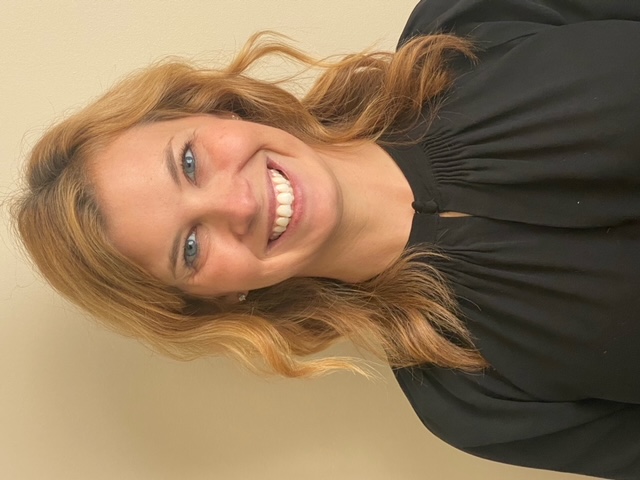
Abby Reynolds, PharmD: My name is Abby Reynolds. I am a pharmacist by training, and I've been with Pleio for almost 12 years. My current role is chief experience officer.
 Specialty drugs now represent more than half of US drug spending. From the patient side, what does this ‘tipping point’ actually feel like—and how is it influencing patients’ willingness or ability to stay on therapy?
Dr Reynolds: It feels high-stakes and very fragile. This tipping point often feels less like progress to patients and more like an accumulated burden. Patients are being asked to manage an increasing functional burden, including complex treatment regimens, access to care, and financial considerations, while simultaneously carrying significant emotional load, including fear, uncertainty, and the weight of a serious diagnosis that they just received.
When those loads peak at the same time, even clinically appropriate therapies can become difficult to either initiate or maintain. What we see is that persistence is often limited not by patient motivation per se, but by whether the system helps patients feel confident and supported early on, before functional demands start to escalate.
Oncology now accounts for nearly half of specialty drug spend, and patients are often navigating treatment alongside a life-changing diagnosis. Where do you see the system unintentionally adding friction or confusion at the worst possible moment?
Dr Reynolds: In oncology, the system tends to underestimate the emotional burden that patients are carrying at the time of diagnosis.
In a national survey, we found that 2 out of 3 patients said that their loneliness actually worsened after being diagnosed with a chronic illness. If you think about that, patients are frequently receiving a large volume of clinical and logistical information during this period of intense emotional stress that they're undergoing.
The system unintentionally adds friction to that when it expects the patient to not only absorb that information, but retain and act on those complicated instructions, all before they've had time to process what's actually happening to them.
From a clinical standpoint, I think this is where fragmentation becomes most visible. It's not because the care team is not coordinated, but rather because that emotional readiness isn't there, so patients can't necessarily address medical decision-making until they feel that they've been supported emotionally.
As distribution models shift and care becomes more fragmented, what are the most common handoff failures you see that disrupt therapy initiation or persistence?
Dr Reynolds: In my opinion, the most common failures occur when functional handoffs happen, again, without that emotional continuity.
Patients may technically move from provider to the pharmacy and payer for approval. That may all happen appropriately, but they're often left without clarity about what comes next or reassurance that they're on the right path. In those moments, uncertainty adds emotional burden and can slow the functional action that's taking place.
We frequently see that therapy can be disrupted, not by denial or access barriers alone, but more by silence or ambiguity and unaddressed anxiety throughout those transitions, especially early on in treatment.
There’s no shortage of digital solutions aimed at specialty care, yet adherence challenges persist. In your experience, what separates tools that genuinely change patient behavior from those that simply add another layer of complexity?
Dr Reynolds: From a clinical lens, the tools that work are those that reduce the total patient burden or patient load, rather than shifting more responsibility onto patients.
Effective solutions typically recognize that emotional and functional burdens must be managed sequentially, not simultaneously. That helps patients feel oriented and supported first and foremost; then we can look to guide them through the action that we're looking for when they're ready.
Tools that assume readiness or require significant patient interaction and activation too early in the process can often add complexity rather than reducing it because the patients don't necessarily understand what they're supposed to do or even how to do it.
I would add that behavior change is most durable when patients feel understood and capable, not when they're asked to manage another platform, workflow, or task during what is generally a very overwhelming period.
Is there anything else you hope the audience takes away from this interview?
Dr Reynolds: One key takeaway is that in specialty care, the opportunity is to intentionally reduce the emotional burden first, so that patients are able to carry out the functional demands of their treatment, ultimately leading to improved outcomes.