










Update in Immune-Mediated Hair Loss
Clinical Summary
Immune-Mediated Hair Loss: Targeted Therapies Transform Alopecia Areata Care
-
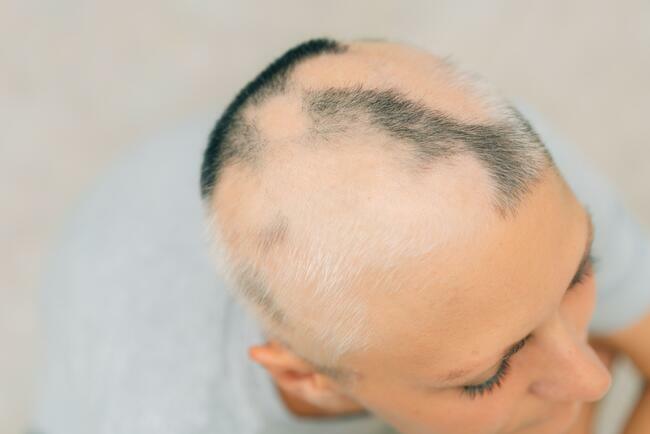
Alopecia areata (AA) and scarring alopecia: Both now recognized as immune-driven diseases, expanding therapeutic targets beyond traditional approaches.
-
Targeted therapies vs traditional immunosuppression: Earlier management relied on systemic immunosuppressants (e.g., cyclosporine), which are unsuitable for long-term use; emerging options include small molecules and biologics, enabling more sustainable treatment strategies.
-
Clinical practice updates: Oral JAK inhibitors are now approved for AA and should be considered in management; topical therapies are generally ineffective for AA, while immune-targeted therapies are emerging for scarring alopecia.
Reviewed by Riya Gandhi, MA, Associate Editor of Immunology Group
Dr Emma Guttman discusses advances in understanding immune-mediated hair loss, highlighting how new targeted therapies—including JAK inhibitors, biologics, and other small molecules—are reshaping treatment for alopecia areata and even scarring alopecias. Learn practical clinical insights on when to use systemic therapies and how emerging immune-based approaches may improve outcomes for patients with difficult-to-treat hair loss disorders.
Transcript
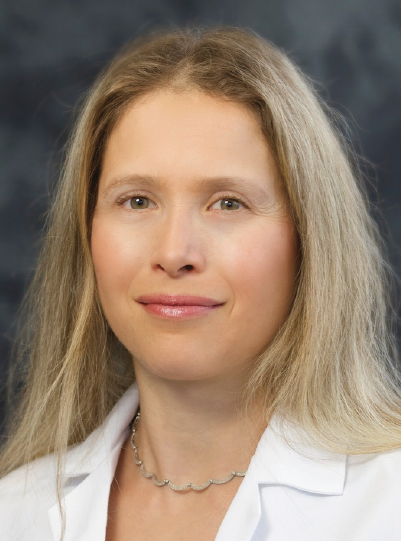
Hi, I'm Emma Guttman. I come from New York City where I'm the chair of the Department of Dermatology at the Icahn School of Medicine at Mount Sinai in New York City.
What recent advances in our understanding of immune-mediated hair loss are most likely to change how clinicians approach diagnosis and treatment today?
Dr Guttman: Yeah, we have many. First of all, we now understand that not only alopecia areata is an immune-driven disease, but even scarring alopecia are immune-driven diseases. And now we have new treatments coming into these diseases that for many years we thought it just scarring and that's it, nothing to do. So we do have what to do. And in alopecia areata, we now have many treatments coming with different flavors, both small molecules and biologics.
How do emerging targeted therapies differ from traditional management strategies, and which patient populations may benefit most from these newer approaches?
Dr Guttman: So before, we had only immunosuppressants to give our patients with alopecia areata, and we cannot keep patients forever, for example, on cyclosporine. It has a million side effects. So now we have more targeted treatments that can be sustainable for long-term treatments. And these include small molecules and biologics, so very exciting times for alopecia areata.
What practical takeaways do you hope clinicians will apply immediately in practice when managing complex or treatment-resistant hair loss disorders?
Dr Guttman: To understand that now they have several oral treatments approved, the JAK inhibitors, and start to use them, to also understand that topical treatments do not work in alopecia areata. That's something that I see all the time, a mistake being done, and also to start understanding that there are some immune-based treatments coming into scarring alopecia.