










Mohs Reconstruction Collaboration
Clinical Summary
Mohs Surgery Reconstruction: When to Involve Plastic Surgery
-
Post–Mohs surgery reconstruction (skin cancer): Collaboration with plastic surgeons is often considered for high-visibility or complex sites—especially the eyes, nose, and mouth—when defects are larger or difficult to close with simple repair or secondary intention.
-
Reconstructive options dermatologists should recognize: Techniques range from local flaps and dermal substitutes to advanced reconstructions such as forehead flaps for nasal defects, expanding closure options in complex cases.
-
Multidisciplinary outcomes: Mohs surgery provides high cure rates and low recurrence, while plastic surgery expertise helps optimize functional and aesthetic reconstruction, particularly in cosmetically sensitive facial regions.
Reviewed by Riya Gandhi, MA, Associate Editor of Immunology Group
Dr Dennis Orgill discusses when dermatologists should involve plastic surgeons after Mohs surgery, particularly for complex defects in high-visibility areas such as the nose, eyes, and mouth. Learn key principles of flap design, grafting, and dermal substitutes, and how multidisciplinary planning can optimize oncologic clearance while improving aesthetic and functional outcomes.
Transcript
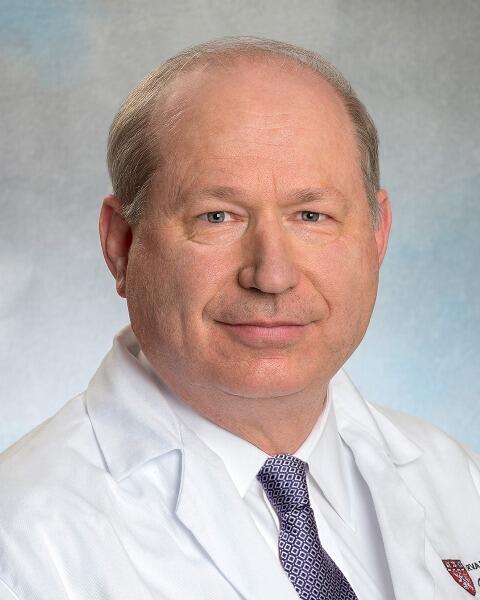
My name's Dr Dennis Orgill. I'm a plastic surgeon in Boston, Massachusetts. I work at Brigham and Women's Hospital and Harvard Medical School.
What factors help determine when a case requires collaboration with a plastic surgeon following Mohs surgery, particularly in complex or high-visibility areas?
Dr Orgill: Yeah, so I think there are visibility areas around the eyes, the nose and the mouth, which can be difficult to deal with. And for small areas, obviously those can be either closed or left open to heal in secondarily, but for more complicated areas, oftentimes having a plastic surgeon who is trained in many ways of reconstruction can give the patient more options for closure.
What are some key principles or techniques in flap design or grafting that dermatologists should be aware of when working with surgical colleagues?
Dr Orgill: I think the most important thing is to be aware of the wide range of options now. There are things as complicated as forehead flaps where you take a piece of tissue from the forehead and is used to reconstruct the nose, or even simpler techniques like dermal substitutes that can be used in these. And then there are also a whole range of local flaps.
How can multidisciplinary planning between dermatologists and plastic surgeons optimize both oncologic clearance and aesthetic-functional outcomes for patients?
Dr Orgill: Well, Mohs surgery has been shown in multiple clinical studies to really have the highest rates of cure from skin cancers and with low rates of recurrence. And plastic surgeons are trained in ways to reconstruct these defects in these complicated areas. And so I think that's the area of overlap where oftentimes collaboration can be very helpful.