










Cutaneous Immune-Related Adverse Events and Checkpoint Inhibitors
Clinical Summary
Checkpoint Inhibitors: Recognizing and Managing Cutaneous Immune-Related Adverse Events (cirAEs)
-
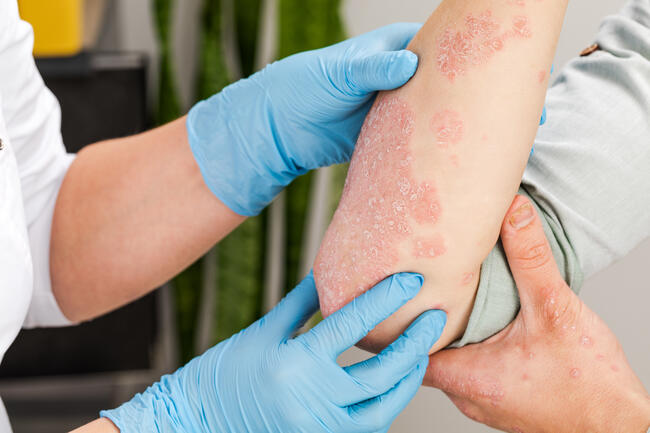
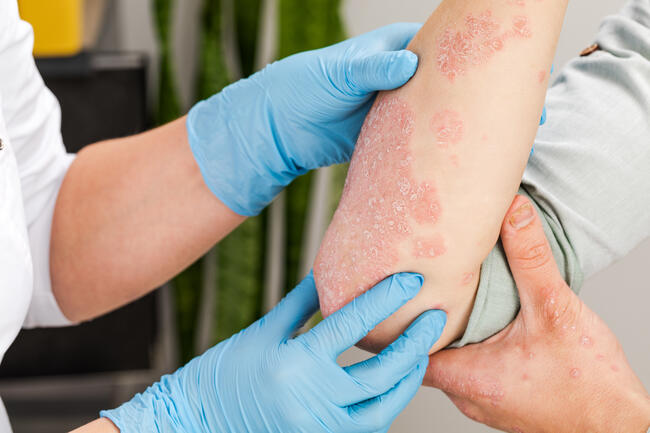
Common cirAEs with immune checkpoint inhibitors: Dermatologists should recognize eczematous eruptions, lichenoid dermatitis, and psoriasis, which are among the most frequently observed rashes following checkpoint inhibitor therapy.
-
Toxicity grading and management: Use Common Terminology Criteria for Adverse Events (CTCAE) to assess severity based on body surface area involvement and quality-of-life impact, guiding treatment while allowing continuation of cancer therapy when safe.
-
Multidisciplinary care: Close dermatology–oncology collaboration is critical to determine whether eruptions are treatment-related and to optimize management so patients can safely remain on oncologic therapy.
Reviewed by Riya Gandhi, MA, Associate Editor of Immunology Group
This interview explores the most common cutaneous immune-related adverse events (cirAEs) seen with immune checkpoint inhibitors and how dermatologists can grade and manage toxicity while supporting continuation of lifesaving cancer therapy. Dr Heberton also discusses best practices for dermatology–oncology collaboration to optimize safety, outcomes, and patient quality of life.
Transcript
I'm Megan Heberton. I'm an assistant professor at UT Southwestern Medical Center, and I primarily practice onco-dermatology, which is the care of patients that have skin problems from their cancer therapies.
What are the most common cutaneous immune-related adverse events (cirAEs) clinicians should be prepared to recognize in patients receiving checkpoint inhibitors?
Dr Heberton: There are many different rashes that can happen after patients receive immune checkpoint inhibitors. Fortunately, many of these are rashes that dermatologists are already very familiar with. Eczematous eruptions, lichenoid dermatitis, and psoriasis are all very common after immune checkpoint inhibition, and these are something that dermatologists will definitely see in their clinics.
How can dermatologists effectively grade and manage these toxicities to allow oncologic treatment to continue without compromising patient safety?
Dr Heberton: It's generally a good idea to be familiar with the common terminology criteria for adverse events. This is something that most onco-dermatologists use when they're communicating with oncologists, and that sets up ways to look at different types of eruptions in terms of their body surface area, as well as how the patient's quality of life is affected.
What role do multidisciplinary partnerships between dermatology and oncology play in optimizing outcomes for patients experiencing cirAEs?
Dr Heberton: This is something I'm very passionate about. I think that the communication between oncology teams and dermatology teams are essential to good patient care and to make sure that we understand whether a rash is caused by a certain medication or whether it's independent of that, and that way we can get patients safely through their treatments.