










Managing EGFR Skin Toxicities
Clinical Summary
EGFR Inhibitors: Common Cutaneous Toxicities and Preventive Management
-
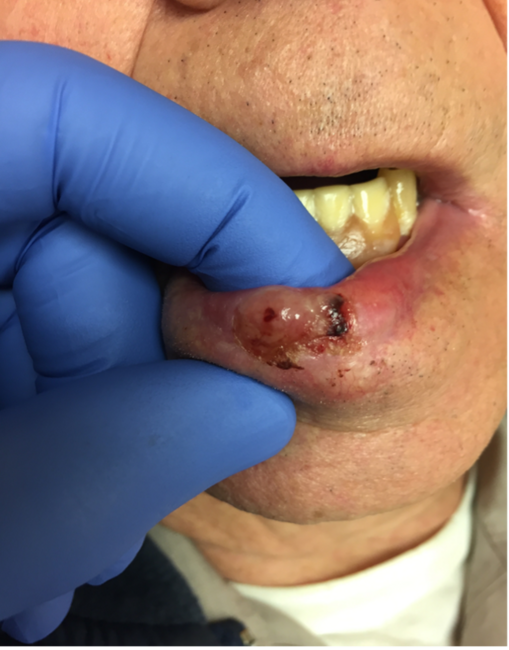
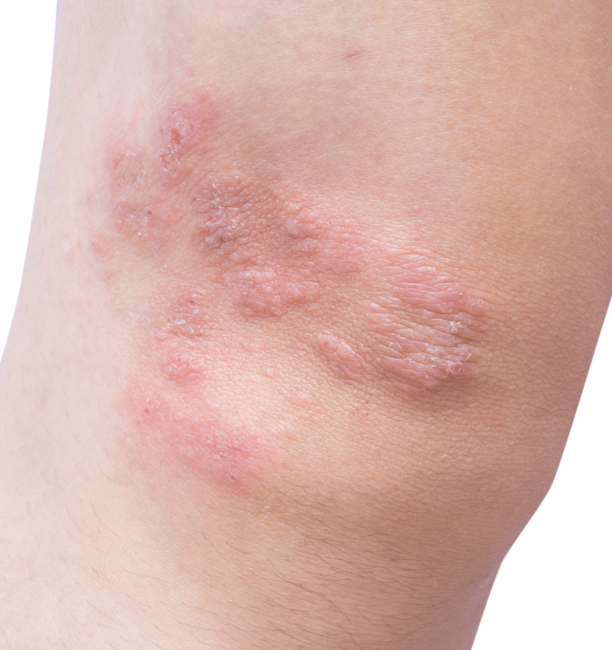
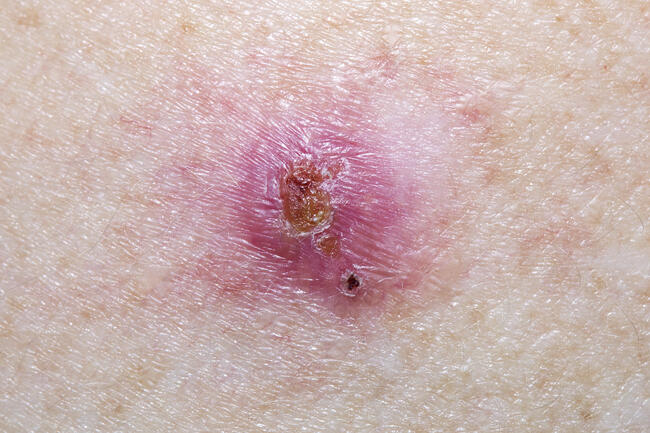
EGFR inhibitor–associated skin toxicities: Most common is acneiform eruption; others include eczematous dermatitis, skin infections, paronychia, and hair changes, frequently requiring dermatologic management.
-
Preventive strategies: Evidence and expert opinion support prophylactic doxycycline (or similar antibiotics) plus topical corticosteroids or topical antibiotics to reduce acneiform eruptions; sunscreen and regular moisturization are recommended due to photosensitivity and infection risk.
-
Care coordination: Effective dermatology–oncology communication helps determine rash severity and etiology, enabling management of skin toxicities while avoiding interruption of cancer therapy.
Reviewed by Riya Gandhi, MA, Associate Editor of Immunology Group
This interview focuses on the most common EGFR inhibitor–associated skin adverse events, when they typically emerge, and practical strategies to reduce severity—including skincare routines, photoprotection, and prophylactic approaches. Dr Heberton also shares how dermatologists can partner with oncology teams to keep patients comfortable and help prevent treatment interruptions.
Transcript
I'm Megan Heberton. I'm an assistant professor at UT Southwestern Medical Center, and I primarily practice onco-dermatology, which is the care of patients that have skin problems from their cancer therapies.
What are the most common EGFR inhibitor–associated skin side effects dermatologists should be prepared to manage, and how early do they typically appear?
Dr Heberton: EGFR inhibitors classically cause side effects and are one of the things that definitely made onco-dermatology, a needed specialty in our field. Acneiform eruptions are the most well-known side-effected EGFR inhibitors, but actually there's several other things that happen to patients as well, such as eczematous dermatitis, skin infections, paronychia, and hair changes. So dermatologists may be asked all of those things by patients on EGFR inhibitors.
What proactive strategies—such as skincare, sun protection, or prophylactic antibiotics—have you found most effective in reducing the severity of these toxicities?
Dr Heberton: Well, we do have reports and expert opinions that prophylaxis with doxycycline or similar antibiotic, as well as topical steroids or topical antibiotics can help with the acneiform eruption. We have less information on what to do about the other skin side effects from EGFR inhibitors. Sunscreen is always a good idea when you're a dermatologist recommending this to your patients and many patients on EGFR inhibitors are profoundly photosensitized. And of course, staying moisturized and trying to avoid cuts in the skin can help avoid things like skin infections.
How can dermatologists collaborate more effectively with oncology teams to ensure skin side effects don’t interrupt or delay essential cancer treatment?
Dr Heberton: Well, I think it's just really important to make sure that dermatologists are communicating with oncologists and the patient and to be an active part of the team. I think that having an opinion on what's going on with the patient, how severe it is, and what the etiology is, is profoundly helpful to the patient as well as the oncologist, and over time that builds rapport.