










Practical Pearls of Vulvar Dermatoses
Clinical Summary
Vulvar Dermatoses: Diagnostic Pitfalls and Practical Clinical Strategies
-
Common pitfalls: Patients often have multiple concurrent conditions (e.g., psoriasis/AD + irritant dermatitis + infection). In peri/postmenopausal patients, differentiate genitourinary syndrome of menopause (GSM) from lichen sclerosus by assessing color and texture changes, not anatomy alone.
-
Exam and diagnostic accuracy: Take time to assess itch vs pain, and carefully evaluate texture and color changes; avoid rapid “look-and-prescribe” approaches in this sensitive area.
-
Improving communication and adherence: Use genital-specific intake questionnaires (Delphi-based tools) to facilitate disclosure, guide targeted history-taking, and reduce stigma while maintaining thorough evaluation.
Reviewed by Riya Gandhi, MA, Associate Editor of Immunology Group
Dr Melissa Mauskar discusses common diagnostic pitfalls in vulvar dermatoses, including overlapping conditions and misdiagnosis of lichen sclerosus versus genitourinary syndrome of menopause. Learn practical exam tips to improve accuracy, from distinguishing itch versus pain to careful inspection and biopsy technique, along with strategies like vulvar-specific questionnaires to enhance patient communication, reduce stigma, and improve adherence.
Transcript
Hello, my name is Melissa Mauskar and I'm associate professor of dermatology with a co-appointment in the Department of Obstetrics and Gynecology at UT Southwestern Medical Center, where I'm the director of the Vulvar Health Program.
What are the most common diagnostic pitfalls you see in vulvar dermatoses, and how can clinicians refine their history-taking to avoid them?
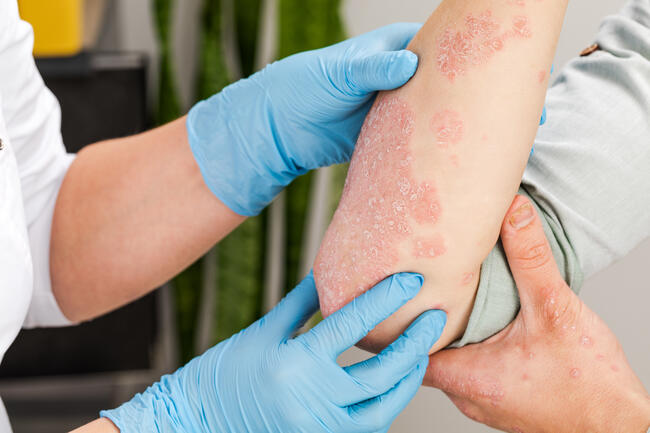
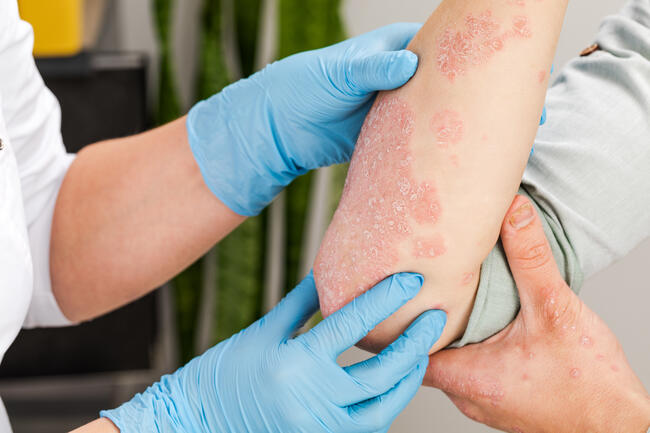
Dr Mauskar: One thing that I've noticed all the time is patients have more than one thing going on. And so it's important to find out what each of those problems are when you're evaluating patients. Sure, they may come in with psoriasis or atopic dermatitis, but maybe they have irritant from washing too much or they have herpes on top of everything else. And so it's really important to kind of address each one of those problems when you see them. Another thing that I've noticed in patients is often we see patients that are coming in either perimenopausal or postmenopausal. And so when they are, there's other factors that we need to do to help them. One of the most common conditions I see is vulvovaginal atrophy, now termed the genitourinary syndrome of menopause. And for that, local estrogen can make the biggest difference. However, when we see our patients and they have petite labia minora, or it may be difficult to retract the clitoral hood, we automatically assume they have lichen sclerosus. So taking that extra step to notice if you see color or texture changes to differentiate those two can be a big diagnostic tool for you to help these patients.
You emphasize practical exam techniques, including distinguishing itch from pain and performing oriented biopsies—what small changes can make the biggest difference in diagnostic accuracy?
Dr Mauskar: I think just taking your time. A lot of times in dermatology, we can walk in, take one look, give our prescription and leave. A lot of these patients have really suffered because they're embarrassed to bring up these topics with you. And so taking your time when you're doing an exam and looking for different texture change, color change, ask about their itch or pain when you first see them. I think that can make a big difference.
Given the sensitivity and stigma surrounding vulvar conditions, how can dermatologists improve patient communication and adherence while maintaining clinical thoroughness?
Dr Mauskar: One of the most practical tips I learned early on was to have a genital specific questionnaire. There are so many different ones that you can give your patients. We actually have one that reached Delphi consensus for new vulvar intake questionnaires. Patients find this incredibly cathartic and they can do it at home. You can incorporate it in your EMR or send it to them before your visit, but that way they can take their time, answer your personal questions. So before you see them, you can ask those targeted questions that'll make a big difference and it may kind of be a little icebreaker to not make it such a sensitive topic.